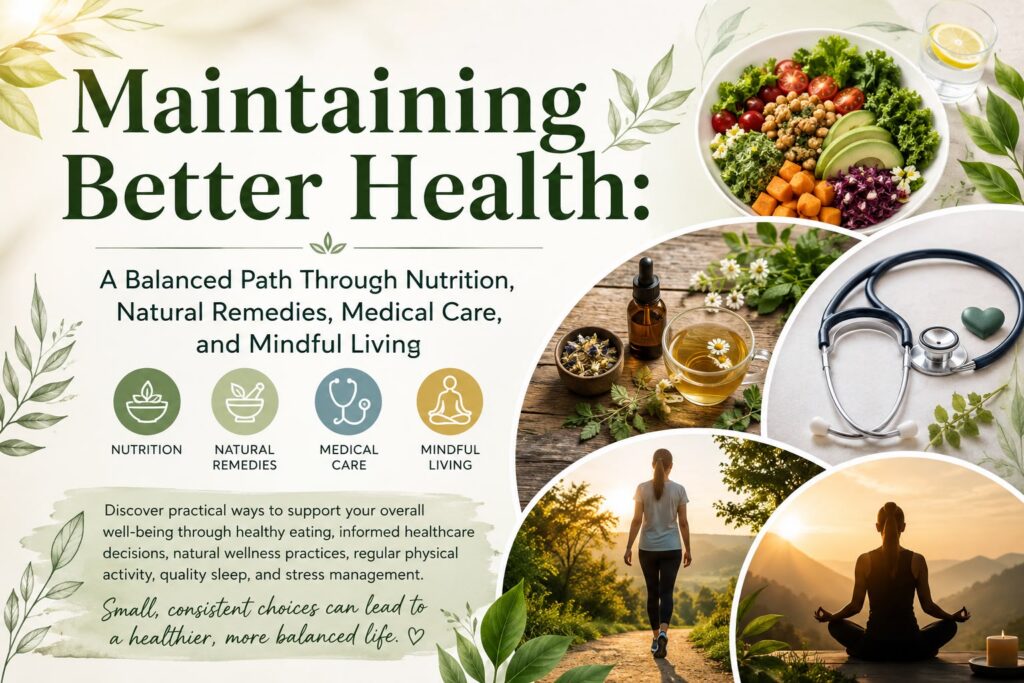
In a world filled with fast food, fast schedules, and constant stress, maintaining good health has become both more challenging and more important than ever. True wellness is not built on one decision or one diet—it is created through daily choices that honor the body, mind, and spirit. From the food we eat and the medical care we seek, to the role of natural herbs, therapy, and exercise, better health is about balance, awareness, and prevention.
Food as the Foundation of Health
The saying “food is medicine” is not just poetic—it is a biological truth. What we eat directly affects our energy levels, immune system, weight, mental clarity, and long-term health.
Whole and Natural Foods
A diet rich in:
Fresh vegetables and fruits
Lean proteins (fish, eggs, legumes, poultry)
Healthy fats (avocado, olive oil, nuts, seeds)
Whole foods with minimal processing
provides essential vitamins, minerals, antioxidants, and fiber that help the body repair itself and function optimally.
Low-Carb and Keto Diets
Low-carb and ketogenic (keto) diets focus on reducing carbohydrate intake and encouraging the body to burn fat for fuel.
Benefits
Improved blood sugar control
Weight loss and reduced fat storage
Increased mental clarity and stable energy
Potential benefits for insulin resistance and metabolic conditions
Challenges
Not suitable for everyone (especially without medical guidance)
Can cause fatigue or nutrient imbalance if poorly planned
Requires discipline and education
The key is personalization. What works for one body may not work for another, which is why professional guidance is essential.
Nutrition: More Than Just Dieting
Nutrition is not about restriction—it’s about nourishment. Understanding your body’s needs helps you make informed choices rather than following trends blindly.
Balanced nutrition supports:
Hormonal health
Digestive health
Immune strength
Mental and emotional well-being
Learning how foods interact with your body type, lifestyle, and health history empowers you to eat with intention instead of confusion.
Natural Herbs: When and How to Use Them Wisely
Natural herbs have been used for centuries to support healing and prevent illness. Examples include:
Ginger for digestion and inflammation
Turmeric for joint and immune support
Garlic for heart health
Aloe vera for skin and gut health
Peppermint and chamomile for stress and digestion
When Is the Right Time to Turn to Natural Herbs?
Natural herbs are most effective when:
Used for prevention and mild conditions
Supporting the body alongside a healthy diet and lifestyle
Complementing—not replacing—medical care
Guided by a trained herbalist or healthcare professional
Herbs are powerful, but they are not automatically safe for everyone. Incorrect dosage, interactions with medications, or untreated serious conditions can create risks.
Medical Care and Early Diagnosis: Knowledge Is Power
One of the most important health decisions is choosing to know rather than ignore.
Pros of Early Diagnosis
Early intervention and better treatment outcomes
Prevention of disease progression
Improved quality of life
Lower long-term medical costs
Peace of mind through clarity
Challenges
Emotional stress or fear after diagnosis
Cost of testing and treatment
Anxiety about lifestyle changes
Despite these challenges, early diagnosis is far more empowering than never knowing. Ignoring symptoms does not make illness disappear—it often allows it to grow silently.
Medical care and natural approaches should work together, not in opposition. Modern medicine is essential for diagnosis, emergencies, and chronic conditions, while natural practices often support prevention, recovery, and overall wellness.
Prevention: The Most Powerful Form of Healthcare
Prevention is proactive health care. It includes:
Regular medical checkups
Healthy eating habits
Stress management
Adequate sleep
Hydration
Physical activity
Common Obstacles to Prevention
Lack of education
Financial barriers
Fear of diagnosis
Busy lifestyles
Cultural beliefs or misinformation
Overcoming these obstacles starts with awareness and small, consistent changes. Prevention does not require perfection—only commitment.
Therapy and Mental Health: Healing from the Inside Out
General therapy is often overlooked, yet it plays a vital role in overall health. Mental and emotional stress directly affect the body, contributing to:
High blood pressure
Digestive issues
Hormonal imbalance
Weakened immunity
Chronic fatigue
Therapy helps individuals:
Manage stress and anxiety
Develop healthier habits
Improve self-awareness
Address emotional eating or burnout
Build confidence and motivation
A healthy mind supports healthy decisions.
Exercise and Body Awareness: Move with Purpose
Exercise is not about punishment—it is about partnership with your body.
The right exercise depends on:
Your body type
Your fitness level
Your health conditions
Your personal goals
Some bodies respond well to strength training, others to yoga, walking, swimming, or high-intensity workouts. Listening to your body prevents injury and builds long-term consistency.
Movement improves:
Heart health
Muscle tone
Mental clarity
Mood and confidence
Longevity
A Holistic Approach to Lifelong Wellness
True health is not one choice—it is a lifestyle. It is the harmony between:
Nutritious food
Thoughtful use of natural herbs
Responsible medical care
Mental health support
Regular movement
Preventive awareness
When we respect our bodies and seek knowledge rather than fear, we allow ourselves to live not just longer—but better.
Your health is your most valuable asset. Invest in it daily, listen to your body, and choose balance over extremes. Wellness is not a destination—it is a journey worth committing to.