Summary
The beauty industry remains a powerful platform for women seeking creativity, financial independence, and flexibility. While it is competitive and requires dedication, the rewards—both personal and professional—are significant. With the right skills, branding, and mindset, women can build profitable, sustainable careers and businesses that support not only their income goals but also their desired lifestyle.
In an industry rooted in confidence and transformation, women are not just participants—they are leaders shaping the future of beauty.
Women in the Beauty Industry: Opportunity, Profitability, and Lifestyle Impact
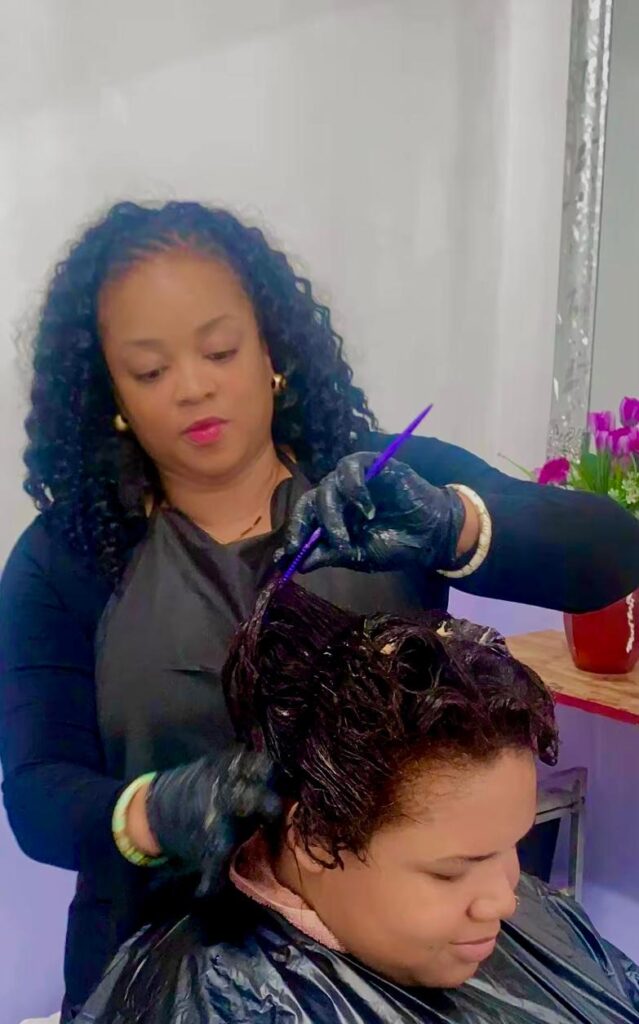
The beauty industry has become one of the most attractive and empowering fields for women worldwide. From hairstyling and makeup artistry to skincare, wellness, and beauty entrepreneurship, women are increasingly choosing this sector not only for creative expression but also for its strong financial potential, flexibility, and lifestyle benefits. As the global beauty market continues to grow, women remain at its core—as professionals, business owners, innovators, and brand leaders.
Why Women Are Choosing the Beauty Industry
Many women are drawn to the beauty industry because it aligns naturally with creativity, self-expression, and personal connection. The field allows women to transform skills they often develop early in life into professional expertise. Beyond passion, accessibility plays a major role: entry barriers are relatively low compared to other industries, and many careers can begin with short-term training or certification rather than lengthy academic degrees.
Additionally, the beauty industry offers a sense of purpose. Helping clients feel confident, polished, and comfortable in their appearance can be deeply fulfilling. For many women, this emotional reward complements the financial and professional benefits.
Profitability of the Beauty Industry
The beauty industry is highly profitable, both globally and on an individual level. Demand is consistent because beauty services and products are not seasonal luxuries; they are ongoing consumer needs. Weddings, events, professional settings, social media influence, and self-care trends ensure a steady flow of clients.
Profitability is driven by:
- Repeat customers (maintenance services such as hair, nails, lashes, skincare)
- High-margin services and products
- Upselling opportunities (retail products, add-on services)
- Scalability, especially through branding and digital platforms
Successful professionals often increase income by combining services with product sales, education, or content creation, allowing multiple income streams from the same skill set.
Lifestyle Benefits and Daily Flexibility
One of the strongest advantages of the beauty industry is lifestyle flexibility. Many women choose this field because it allows them to:
- Set their own schedules
- Work part-time or full-time
- Balance family, personal life, and career
- Transition from hands-on work to management or education roles over time
Freelancing, studio ownership, mobile services, and online beauty businesses allow women to design their workdays around their lives rather than the reverse. This flexibility is particularly appealing to mothers, caregivers, and women seeking work-life balance.
Industry Competitiveness and How to Stand Out
The beauty industry is competitive, especially in saturated markets. However, competition does not mean lack of opportunity. Success depends on differentiation, consistency, and professionalism.
To navigate competition and build a strong personal or business brand, professionals should focus on:
- Developing a clear niche (e.g., bridal makeup, natural hair, luxury skincare)
- Maintaining high-quality service and hygiene standards
- Building a strong online presence through social media and websites
- Investing in continuous education and certifications
- Delivering excellent customer experience and retention
Branding—both personal and business—is essential. A recognizable style, strong reputation, and authentic communication help build trust and loyalty, which ultimately lead to long-term success.
Types of Beauty Businesses and Income Opportunities
The beauty industry offers diverse business models, including:
- Hair salons and barbershops
- Makeup artistry (bridal, fashion, film, editorial)
- Nail, lash, and brow services
- Skincare and esthetics clinics
- Beauty product creation and private labeling
- Beauty education and training academies
- Influencing, content creation, and brand partnerships
- Mobile and home-based beauty services
Income can be generated through service fees, retail product sales, online courses, sponsorships, memberships, and franchising. This diversity allows women to grow beyond a single income source and build long-term financial stability.
Advantages of Working in the Beauty Industry
The key advantages include:
- High earning potential with skill and reputation
- Flexible working hours and independence
- Opportunities for entrepreneurship
- Creative and emotionally rewarding work
- Low startup costs for many specialties
- Ability to scale into multiple income streams
Disadvantages and Challenges
Despite its benefits, the beauty industry also has challenges:
- Income may be inconsistent, especially in the early stages
- Physical demands and long hours during peak periods
- High competition in popular markets
- Continuous need for skill upgrades and trend awareness
- Limited benefits, such as pensions or healthcare for self-employed professionals
These disadvantages can be mitigated through proper financial planning, effective branding, income diversification, and a long-term business strategy.